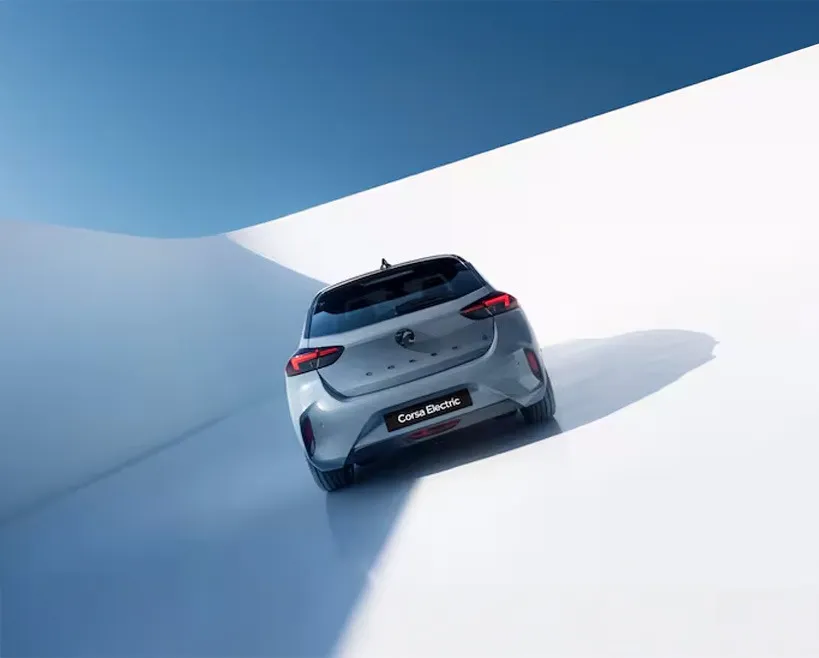
The different types of low-emission vehicles
Battery Electric Vehicle (BEV)
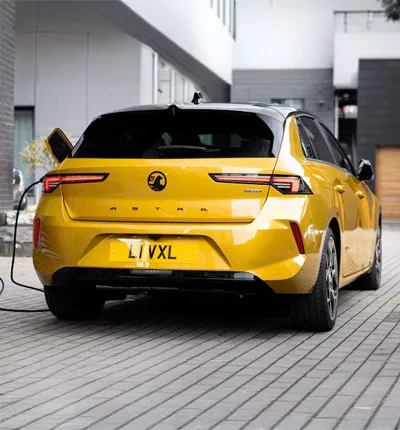
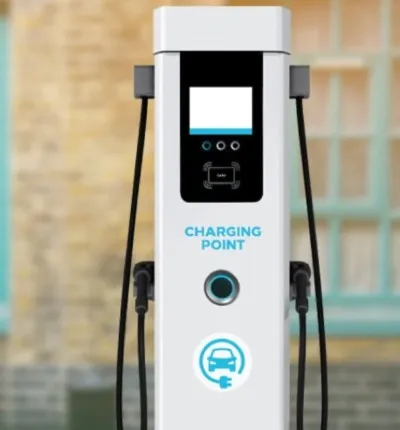
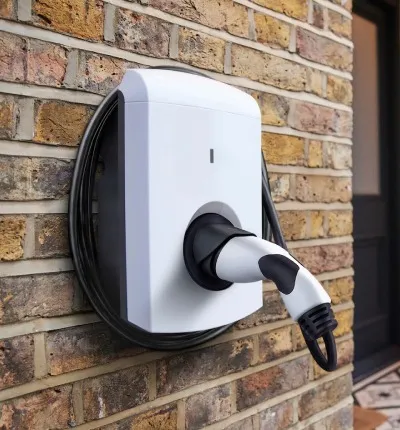
Battery Electric Vehicles (BEVs) get 100% of their power from an electric motor. BEVs are charged using mains power which can be found at outlets in your home, or faster charge points on public roads. They have no petrol or diesel engine and therefore produce zero tailpipe carbon emissions.
Plug-in Hybrid (PHEV)
PHEVs are powered by a combustion engine and a battery-powered engine. The driver therefore has the flexibility to use a traditional combustion engine if they have no range available on their battery. PHEVs typically can travel between 30 and 35 miles in full electric mode. Like with a BEV, the electric battery in a PHEV is charged using mains power.
Hybrid (HEV)
Like Plug-in Hybrid vehicles, Hybrids are powered by a combustion engine and a battery-powered engine. Pure electric propulsion is possible at speeds up to 30mph, and distances up to 2 miles. The electricity needed to charge the electric motor is produced by the combustion engine.
Mild Hybrid
Mild Hybrids are powered by a combustion engine, boosted by a small electric motor. The electric motor helps the combustion engine burn less fuel and provides improved low-end torque. Mild Hybrids never use electric alone.